
Editor’s Note: Blockchain in payments isn’t just hype anymore—it’s quietly reshaping how money moves across borders. From what we’ve seen, businesses that adopt early tend to gain a real edge. This piece reflects our honest take on where things stand today.
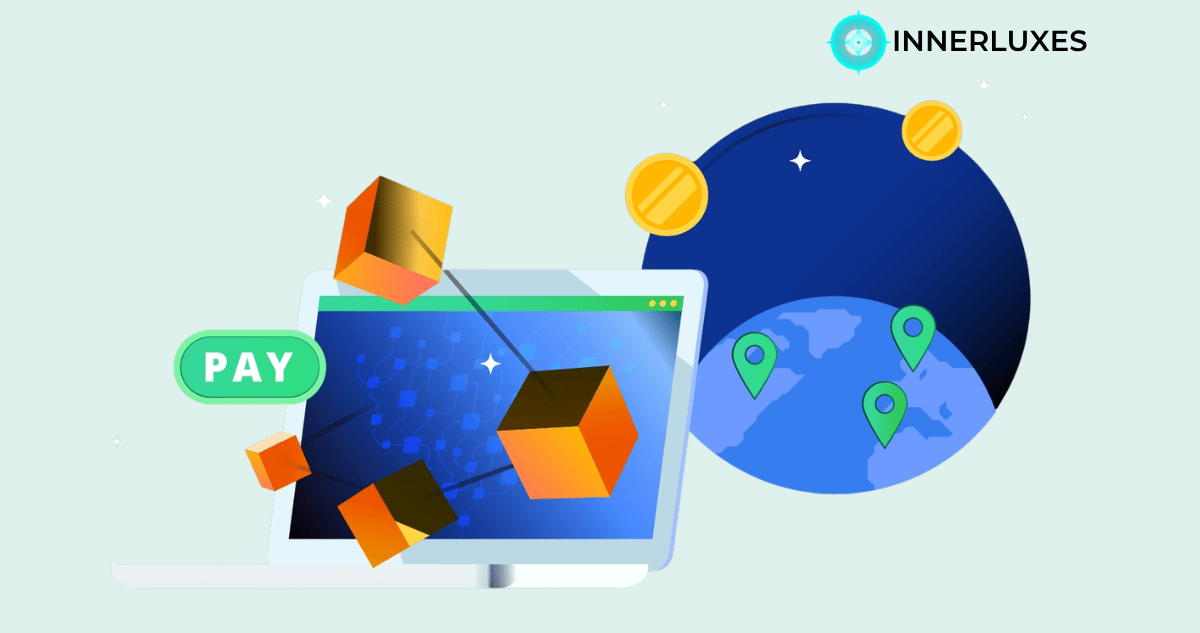
Blockchain for cross border payments is changing the way you send and receive money globally. Traditional systems often feel slow, expensive, and frustrating, especially when you’re dealing with multiple banks and currencies. Now, blockchain offers a smoother path with fewer middlemen and faster processing.
If you’ve ever waited days for an international transfer to clear, you already know the pain. With blockchain, transactions can happen almost instantly, giving you more control and visibility. It’s not just about speed—it’s about trust, transparency, and better financial experiences.
How Blockchain Simplifies Global Payments
At its core, blockchain removes the need for multiple intermediaries in cross-border transactions. Instead of passing through several banks, your payment moves directly across a secure, shared network. This reduces delays and lowers transaction costs.
You also gain real-time visibility into where your money is at every stage. That level of transparency is something traditional systems struggle to offer. It builds confidence, especially when you’re handling large or frequent transfers.
Another key advantage is automation. Smart contracts can trigger payments automatically when certain conditions are met, saving you time and reducing manual errors.
Key Benefits You Should Know
Blockchain isn’t just a technical upgrade—it brings practical benefits that directly impact your business or personal finances.
- Faster transaction speeds with near-instant settlements
- Lower fees by cutting out intermediaries
- Enhanced security through encrypted and immutable records
These benefits add up quickly, especially if you regularly deal with international clients or suppliers. Over time, the savings and efficiency gains can be significant.
Challenges You Need to Consider
While blockchain offers clear advantages, it’s not without its challenges. One of the biggest concerns is regulatory uncertainty. Different countries have different rules, which can complicate adoption.
There’s also the issue of scalability. Some blockchain networks still struggle to handle large volumes of transactions efficiently. This can impact performance during peak times.
Integration with Existing Systems
You may also find it challenging to integrate blockchain with your current financial systems. It often requires technical expertise and upfront investment. However, many modern platforms are working to make this process easier and more accessible.
Despite these hurdles, the technology continues to evolve rapidly. Solutions are improving, and adoption is growing across industries.
Real-World Use Cases of Blockchain Payments
Businesses around the world are already using blockchain to improve cross-border payments. From remittances to international trade, the applications are expanding quickly.
For example, companies can pay overseas suppliers in minutes instead of days. Freelancers and remote workers can receive payments without losing a large chunk to fees. Even banks are exploring blockchain to modernize their infrastructure.
You don’t have to be a large enterprise to benefit. Small and medium-sized businesses are also finding value in faster, cheaper, and more reliable transactions.
Frequently Asked Questions
It’s a technology that enables fast, secure international transfers without relying on traditional banks.
Most transactions settle within minutes, compared to days in traditional systems.
Yes, they use encryption and decentralized networks to ensure high security.
They significantly lower fees by removing intermediaries.
Yes, many businesses already use it for global transactions.
It depends on local regulations, which vary by country.
Cryptocurrencies or tokenized fiat currencies are commonly used.
It’s likely to play a major role as adoption continues to grow.
Summary
Blockchain for cross border payments is making global transactions faster, cheaper, and more transparent. While there are still challenges to overcome, the benefits are hard to ignore. If you deal with international payments, this technology can simplify your processes and save you money. It’s not just the future—it’s already happening, and now is a good time to explore it.
Have a question? Ask our experts!
Our team is ready to help you build something great.
Let's Talk →Explore Our Services at INNERLUXES