
Editor’s Note: Good software asset tracking doesn’t just organize your tools—it reveals how your business really operates. In my view, companies often underestimate how much clarity they gain once everything is visible.
You’ve probably felt the frustration of not knowing exactly where your software assets stand. That’s where software asset tracking steps in, giving you a clear picture of what you own, use, and actually need. It helps you move from guesswork to confident decisions.
When your systems grow, things can quickly become messy—licenses get lost, tools go unused, and costs rise silently. With the right approach, you can take control, reduce waste, and finally make your IT environment work for you instead of against you.
Why Software Asset Tracking Matters
Software asset tracking is more than just keeping a list of tools. It gives you real visibility into your digital environment. When you know what you have, you can manage it better and avoid unnecessary expenses.
Without tracking, businesses often overspend on licenses or miss renewals. This creates both financial and operational risks. With proper tracking, you stay ahead and make smarter choices.
It also improves security. Knowing which software is active helps you detect outdated or risky applications quickly.
Key Benefits You’ll Notice Quickly
When you implement software asset tracking, the improvements are often immediate. You begin to see patterns and opportunities that were hidden before.
- Reduce wasted spending on unused licenses
- Improve compliance with licensing agreements
- Gain full visibility of your software environment
These benefits help you create a cleaner, more efficient system. Over time, they also support better planning and growth.
How It Improves Daily Operations
Better Decision Making
With accurate data, you can decide what to keep, upgrade, or remove. You no longer rely on assumptions. Instead, you act based on real insights.
Simplified IT Management
Managing IT becomes easier when everything is organized. You can quickly find information, track usage, and respond to issues without delays.
Stronger Compliance and Security
Tracking ensures that your software stays compliant with licensing rules. It also helps you identify outdated or vulnerable tools before they become a problem.
Choosing the Right Approach
Not all solutions are the same, so choosing the right software asset tracking system matters. You should look for tools that are easy to use and fit your business needs.
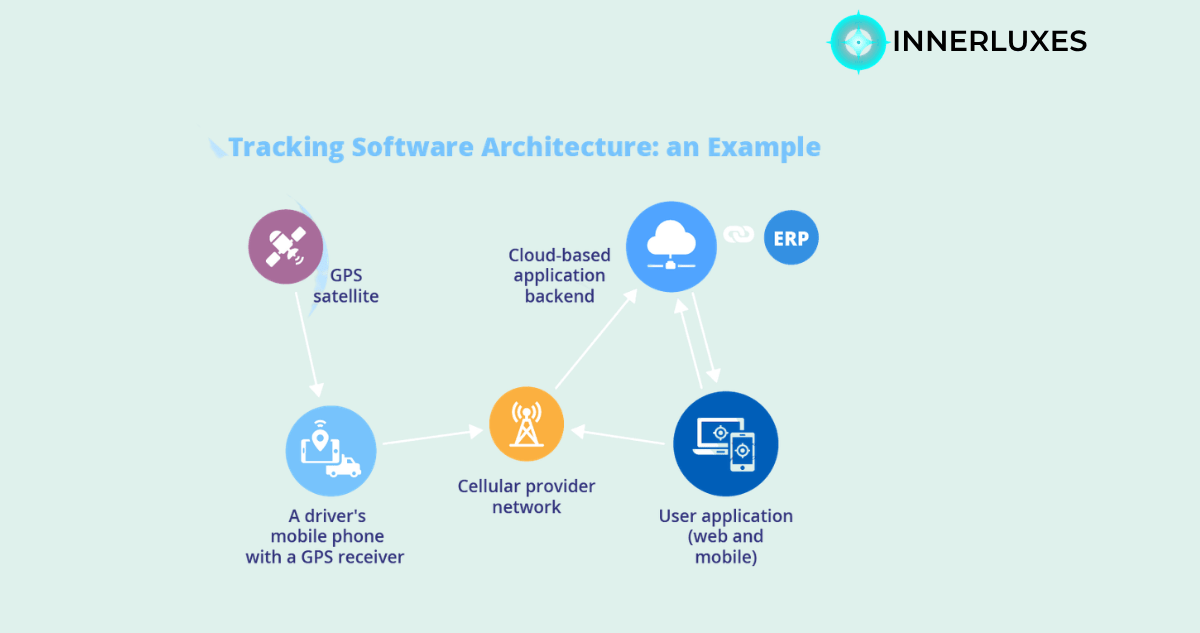
Cloud-based solutions are popular because they offer flexibility and real-time updates. They allow you to monitor assets from anywhere without complex setups.
Integration is another key factor. Your tracking system should work smoothly with your existing tools, so you don’t create extra work for your team.
Frequently Asked Questions
It is the process of monitoring and managing all software used in your organization.
It helps reduce costs, improve security, and ensure compliance with licenses.
By identifying unused or duplicate software, you avoid unnecessary spending.
Yes, it is valuable for businesses of all sizes.
Cloud solutions offer flexibility and real-time access, making them very effective.
Regular tracking is best, ideally in real-time or through frequent updates.
Yes, it ensures you follow licensing rules and avoid penalties.
Look for automation, reporting, integration, and ease of use.
Summary
Software asset tracking gives you clarity, control, and confidence in your IT environment. When you know what you have and how it’s used, you can reduce waste and improve performance. It’s not just about managing tools—it’s about making smarter decisions that support your growth. Start small, stay consistent, and you’ll quickly see the difference.
Have a question? Ask our experts!
Our team is ready to help you build something great.
Let's Talk →Explore Our Services at INNERLUXES