
Editor's Note: Vendor management is often treated like a back-office task, but it quietly shapes how smoothly your business runs. From our experience, the right tools don’t just organize vendors—they build stronger, more reliable partnerships over time.
Vendor management tools are no longer optional if you want to stay competitive. When your business depends on multiple suppliers, things can quickly become messy without a proper system in place. These tools help you stay organized, reduce risks, and make smarter decisions without constant stress.
You might already be managing vendors through spreadsheets or emails, but that approach doesn’t scale. With vendor management tools, you get visibility, control, and confidence. Instead of chasing updates, you focus on growth while your system handles the complexity in the background.
What Are Vendor Management Tools and Why They Matter
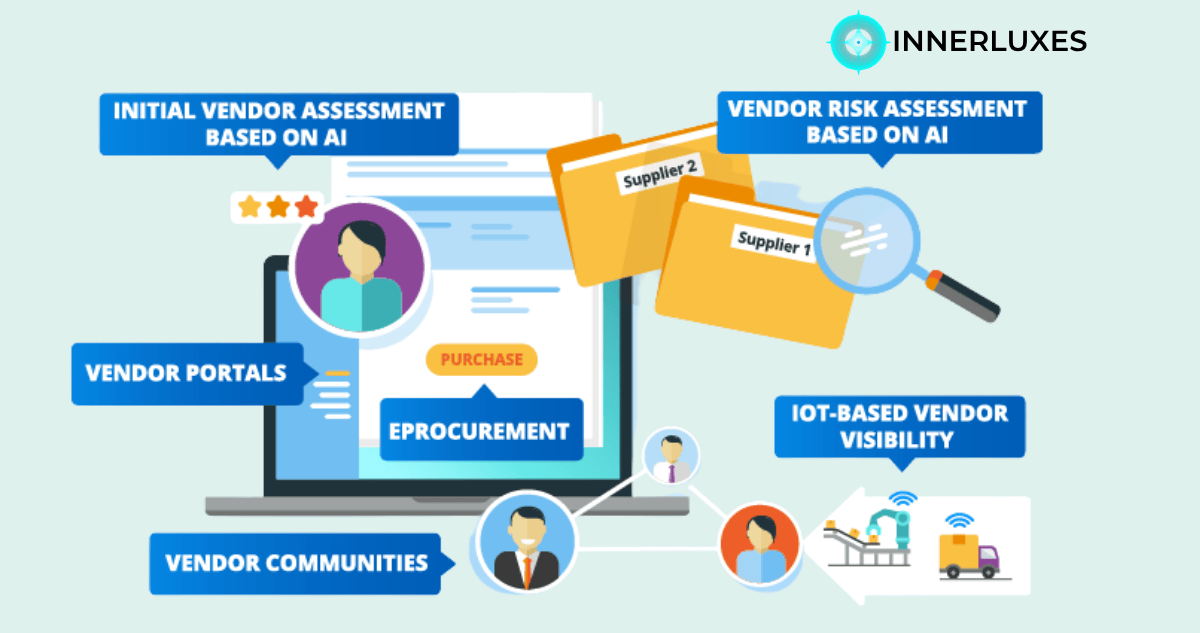
Vendor management tools are software solutions designed to help you manage supplier relationships, contracts, performance, and communication in one place. They bring everything together so you don’t have to rely on scattered systems.
When you centralize vendor data, you reduce confusion and improve accountability. You always know who your vendors are, what they deliver, and how they perform. This clarity leads to better decisions and fewer surprises.
These tools also help you maintain compliance and reduce risks. You can track contracts, deadlines, and vendor certifications without missing important details. That means fewer disruptions and more predictable operations.
Key Features You Should Look For
Not all vendor management tools are built the same. Choosing the right one depends on your business needs, but some features are essential if you want real value.
- Centralized vendor database for easy access and updates
- Performance tracking to measure vendor reliability
- Contract management to avoid missed deadlines
A good tool should also offer reporting and analytics. When you can see patterns and trends, you make smarter decisions about which vendors to keep and which to replace.
Another important feature is automation. Tasks like onboarding, approvals, and notifications should happen automatically, saving you time and reducing manual errors.
How Vendor Management Tools Improve Efficiency
Efficiency is where these tools truly shine. Instead of juggling emails, documents, and spreadsheets, everything is handled in one system. This reduces duplication and keeps your team aligned.
With automated workflows, you don’t need to follow up constantly. The system sends reminders, tracks progress, and ensures tasks are completed on time. This saves hours every week.
Communication also becomes smoother. You and your vendors can collaborate through a single platform, reducing misunderstandings. When everyone is on the same page, projects move faster and with fewer issues.
Choosing the Right Tool for Your Business
Selecting the right vendor management tool is not about picking the most popular option. It’s about finding what fits your workflow and goals.
Start by understanding your needs. Are you struggling with vendor tracking, compliance, or communication? Knowing your pain points helps you choose wisely.
Then look for scalability. Your tool should grow with your business. A solution that works today should still support you as your vendor network expands.
Ease of use is also critical. If your team finds the tool complicated, they won’t use it properly. Choose something simple, intuitive, and easy to adopt.
Finally, consider integration. Your vendor management tool should work well with your existing systems like CRM or ERP. This ensures smooth data flow and avoids silos.
Frequently Asked Questions
They help you manage vendor data, contracts, performance, and communication in one system.
They reduce risks, improve efficiency, and help you make better supplier decisions.
Yes, many tools are designed specifically for small and growing businesses.
Yes, they track contracts, certifications, and deadlines to ensure compliance.
Costs vary, but many affordable options exist for different business sizes.
Yes, better communication and tracking lead to stronger partnerships.
Most modern tools integrate with CRM, ERP, and other business software.
Focus on your needs, ease of use, scalability, and integration capabilities.
Summary
Vendor management tools are more than just software—they are a smarter way to run your business. When you organize your vendors, automate tasks, and improve communication, everything becomes easier. You spend less time managing chaos and more time growing your business. The right tool gives you control, clarity, and confidence in every vendor decision you make.
Have a question? Ask our experts!
Our team is ready to help you build something great.
Let's Talk →Explore Our Services at INNERLUXES